Contents 6
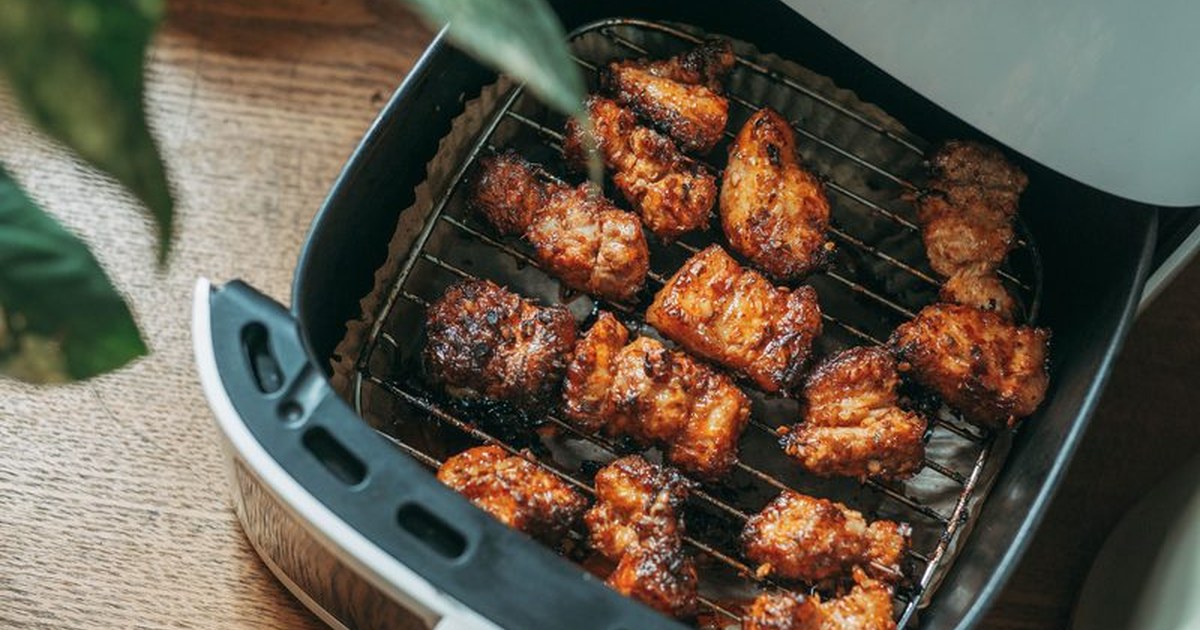
Fish is one of those things many people want to eat more often and end up saving for the weekend because cooking it feels like a chore. The air fryer changes that equation quite a bit: you preheat, put the piece in, close it, and in no time you have a dinner with very little added fat and without dirtying three pots. Here's how I make air fryer salmon and other fish that work just as well.
Before we start, two warnings from an honest cook. First: the times in the title are a guideline, not a magic stopwatch. They depend on the air fryer model (not all heat the same or move the air the same), how much you put in and, above all, the thickness of the piece. A two-finger-thick salmon fillet and a thin tail piece don't cook at the same time. Second: I give times and temperatures as a kitchen reference, not as food safety values. If you need official safety criteria, check the recommendations of a competent public agency and use a kitchen thermometer.
Ingredients and equipment
For 2 servings (adjust freely, but don't crowd: if you fill the basket, the air doesn't circulate and the fish steams instead of browning).
- 2 salmon fillets of similar thickness (about 2-3 fingers tall). If they're very different, cut or separate them.
- Extra virgin olive oil in a spray or with a brush: just a veil. No need to drench it.
- Salt and black pepper.
- For flavour: lemon, garlic powder, dill, sweet paprika or a little mustard. Pick two, not five.
- Perforated parchment paper or an air fryer-safe rack, if your model allows it. Always according to your appliance's manual.
- A kitchen brush and, if you have one, an instant-read thermometer.
To vary with other fish, the same base: hake in thick fillets, sea bass whole-butterflied or in fillets, fresh desalted cod or sea bream. Very thin fillets will dry out, so save those for the pan or for cooking in a closed parchment packet.
Steps with approximate times and temperatures
- Dry the piece. Pat the skin and flesh with paper towel. Moisture is the enemy of browning: if the fish is wet, the hot air works to evaporate water instead of cooking.
- Preheat. 3-5 minutes at cooking temperature. Not every model asks for preheating, but it gives me more consistent results. Check your manual.
- Season at the end of the preheat. Salt, pepper and the veil of oil right before it goes in. If you salt it long beforehand, the surface releases water.
- Place with space. Skin side down if your basket is a rack type and you want the skin to be crispier. Without overlapping pieces.
- Cook the salmon. Approximate reference: 180 °C (350 °F) for 8-12 minutes for fillets 2-3 fingers thick. If the fillet is thin, go to the short end of the range; if it's very thick, extend it and check. Halfway through cooking you can open and rotate the tray if your appliance heats unevenly. There's no need to flip the piece.
- Check for doneness. Salmon is done when the flesh flakes into layers when pushed with a fork and the centre is no longer cold or translucent. For a more well-done result, add 1-2 minutes and look again. Better to undercook and add than to overdo it.
- Other fish. Sea bass and sea bream in thick fillets go in a similar range, 180 °C (350 °F) and 8-12 minutes, watching from minute 7. Hake in a thick fillet usually appreciates slightly less heat: 175-180 °C (350 °F) and 7-10 minutes. These are reference ranges; thickness rules.
- Short rest. Take it out and leave it 1-2 minutes before plating. It isn't essential, but the fish settles and loses less juice when you cut it.
How I set it up for meal prep
Fish isn't the king of meal prep the way chicken is: it handles reheating worse and loses texture. Even so, there's a sensible way to organize it.
- Cook the pieces just to done or a touch under, because reheating finishes the job.
- Store in a closed container in the fridge and eat it within a short time; don't leave it for days and days just in case.
- To reheat, use a gentle temperature and a short time, or use it cold, flaked into a salad, omelette or bowl. Cold flaked salmon with lemon and a little Greek yogurt makes a great zero-effort dinner.
- Freeze only if the fish hadn't been frozen before, and following the instructions from your fishmonger or the packaging.
And if you want to sort out the side dish in the same appliance, roast vegetables in another batch: zucchini, bell pepper or broccoli work well, and then you put everything together on the plate.
Tips and common mistakes
- Crowding the pieces. It's mistake number one. Two fillets with air around them cook well; four packed in release water and steam.
- Not drying the fish. One minute with paper towel changes the result.
- Too much oil. A veil is enough. The point of the air fryer is to cook with little added oil, not to fry.
- Ignoring thickness. The label "10 minutes" doesn't exist: what exists is "10 minutes for this thickness in this appliance". The first time, keep watch.
- Opening the basket every two minutes. You lose heat. Open once halfway and then at the end.
- Using lemon from the start on thin pieces. The acid and sugar can darken the surface. Better to squeeze it on when plating.
- Not cleaning the basket well between batches. Leftovers from the previous batch burn and make the next one bitter.
Note
The times and temperatures in this article are approximate and serve as a starting point. They depend on the air fryer model, the number of pieces you cook at once and, above all, the thickness of the fish. Adjust with the first batch and write down your own times: your appliance and your fishmonger are what count. This text offers no nutritional figures or health recommendations; for official food safety criteria, go to the sources of competent public agencies.